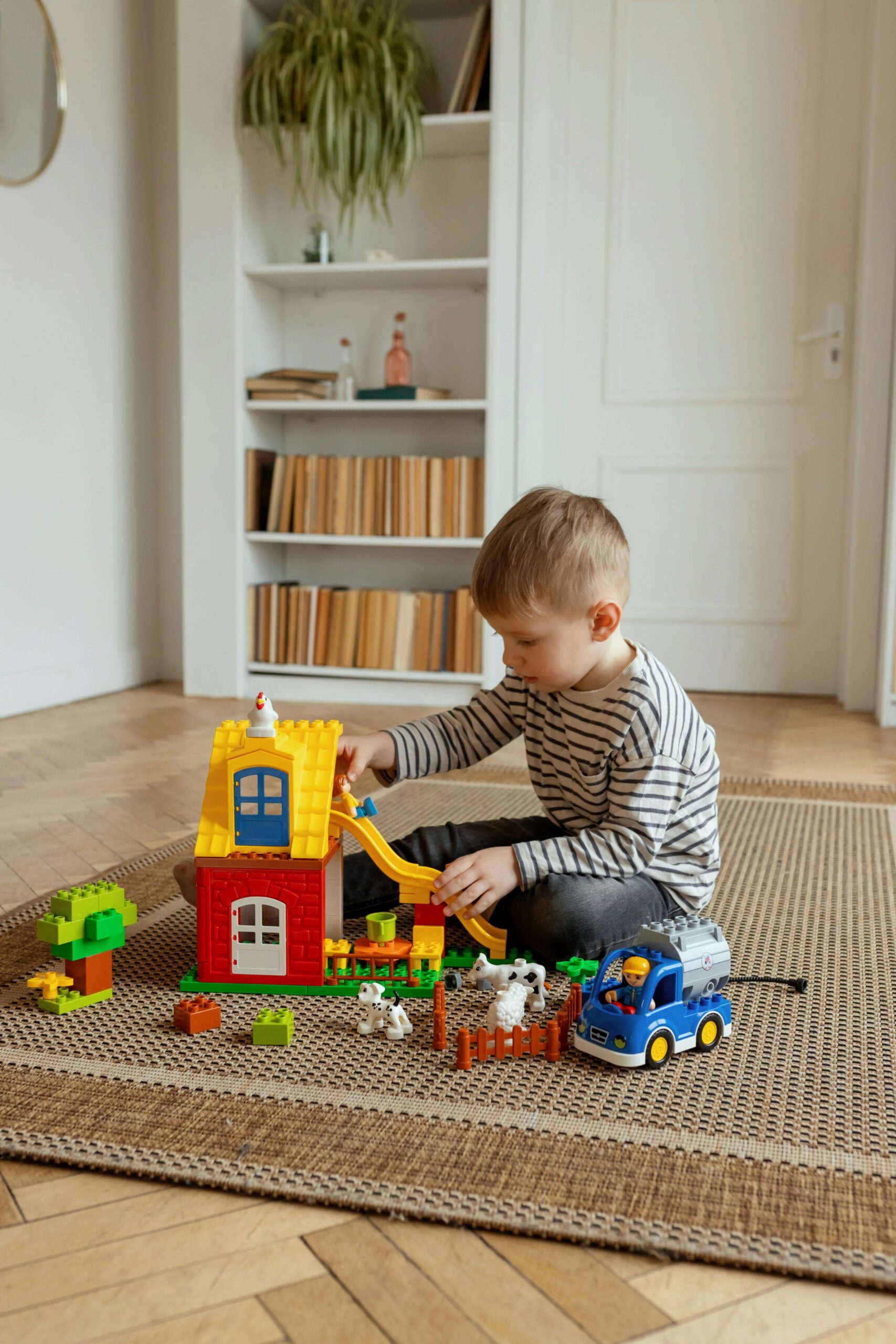
If you have scheduled an autism evaluation for your child, you may feel a mix of relief, worry, and uncertainty. An evaluation is an important step toward understanding your child’s strengths and challenges, and preparing in advance can help the appointment go smoothly. This can reduce stress for both you and your child. The following checklist will help you feel organized and confident as you approach the evaluation.

What Is the Purpose of an Autism Evaluation?
An autism evaluation is not a test your child can pass or fail. It is a comprehensive assessment of how your child communicates, interacts, plays, learns, and responds to sensory input, with the goal of understanding development across areas.
Evaluations are led by licensed psychologists, developmental pediatricians, or neuropsychologists. Portions may also be administered by trained psychometrists under clinical supervision to ensure accuracy.
Assessment tools often include observations, cognitive and developmental measures, rating scales, and parent interviews. The purpose is to gain insight, not assign a label, so recommendations can be thoughtful and well-tailored to your child.
What Documents Should I Bring to the Evaluation?
Some clinicians provide a detailed checklist of records to bring, while others offer general guidance. If you receive specific instructions, follow them. If not, gathering key documents that give context about your child’s development can still be helpful.
Organize materials in a folder or digital file. Consider including:
- Medical records, including birth history and significant illnesses
- Previous evaluations or diagnoses
- Therapy reports
- School records – including Section 504 Plans or Individualized Education Program (IEP) documentation
- Notes from teachers or caregivers
- A list of medications
- A brief developmental timeline
If your child has received services, those reports offer insight into strengths and challenges over time. The goal is not to overwhelm the evaluator, but to provide relevant information that supports an accurate understanding of your child.
What Questions Should I Ask During the Evaluation?
In the days leading up to the appointment, keep a running list of behaviors or situations that stand out. Note communication challenges, sensory sensitivities, repetitive behaviors, social difficulties, or emotional regulation concerns. Include specific examples. Instead of simply writing “meltdowns,” describe triggers, what they look like, and how long they last.
It is also helpful to write down questions about the process itself. During the evaluation, the clinician is gathering information rather than providing conclusions, so focus on what to expect.
You might ask:
- What will today’s appointment include?
- How long will the evaluation take?
- Will testing happen in one visit or multiple visits?
- Who will work directly with my child?
- When will we receive feedback and the written report?
Bring your list so you do not forget important points during what can be an emotional and information-heavy process.
How Do I Explain the Evaluation to My Child?
Children often feel less anxious when they know what to expect. How you explain the evaluation should match your child’s age, language skills, and level of self-awareness.
For younger children, you might say, “We are going to visit a doctor who talks and plays with kids to learn how their brains work.” You can add that there may be games, puzzles, or questions, and that there are no right or wrong answers. Keep the explanation simple, concrete, and neutral.
For older children, you might explain that the evaluation helps adults better understand how they learn, think, communicate, and experience the world. You can frame it as gathering information so teachers and parents know how to support them more effectively. Emphasize that every brain has strengths and challenges, and this process helps identify both.
Avoid framing the appointment as something scary or something that needs to be fixed. Present it as an opportunity to learn more about how your child’s brain works and what helps them thrive.

How Do I Prepare for Evaluation Day?
Keep the morning as predictable as possible with familiar routines and unhurried transitions. Bring items that help your child feel comfortable or calm, and let the clinician know what supports work well. Choose clothing that feels familiar and easy to wear, rather than something new. Bringing along favorite snacks never hurts either.
If your child benefits from knowing what is going to happen, briefly review what the day will look like, without promising a specific end time. Above all, allow your child to be themselves. Evaluations are meant to capture authentic behavior, not best behavior.
Why Honesty Matters During Your Parent Interview
During the autism evaluation, you will likely participate in a detailed parent interview. It can be tempting to downplay challenges or focus only on strengths. It can also feel uncomfortable to describe difficult behaviors.
Remember that honesty leads to the most accurate results. Evaluators need a full picture, including both strengths and struggles. Sharing specific examples helps them understand patterns rather than isolated incidents.
You are not being judged as a parent. The purpose is to understand your child’s needs so appropriate recommendations can be made.
How Do I Support My Child During This Process?
Children respond differently to new experiences. Some feel excited, while others may feel nervous or overwhelmed. Acknowledge your child’s feelings in a calm, matter-of-fact way. You might say, “It is okay to feel nervous. The grown-ups there talk and play with kids every day, and they will explain what to do.” Clear reassurance without overpromising can help your child feel secure.
After the appointment, plan something calm and comforting. Evaluations can be mentally tiring, and your child may need quiet time rather than a busy activity.
It is also important to manage your own anxiety. Children sense parental stress. Take a few moments to breathe and ground yourself before the appointment. Remind yourself that seeking answers is an act of advocacy and care.
Final Thoughts
Preparing for an autism evaluation at NoCo Assessment Center does not require perfection. It simply requires thoughtful preparation and openness. By gathering records, reflecting on concerns, explaining the process to your child, and planning for a calm appointment day, you set the stage for a meaningful and informative experience.

Feel Organized and Confident as You Prepare for Autism Evaluations in Fort Collins, CO
Preparing for your child’s evaluation doesn’t have to feel overwhelming when you know what to expect and how to get ready. If you’re seeking comprehensive autism evaluations in Fort Collins, CO with a team that understands the importance of a calm, supportive assessment process, we’re here to help guide you every step of the way. Contact NoCo Assessment Center today by phone, email, or through our secure online form to schedule your child’s evaluation and start this important journey with confidence and clarity. Get started in three simple steps:
- Complete our secure contact form to begin the evaluation process and ask questions about preparation
- Work with our compassionate team of psychologists who create a comfortable, supportive environment for children and families
- Get clear answers and an action plan with tailored recommendations for treatment, therapy, and support
Additional Services Offered at Northern Colorado Assessment Center
In addition to helping you prepare for your child’s autism evaluation, NoCo Assessment Center provides a wide range of diagnostic and developmental assessments for children and adults. Our services include ADHD Testing for Adults, ADHD Testing for Children, Autism Testing for Adults, Psychoeducational Testing, Psychological Testing, Neuropsychological Evaluations, Bariatric Pre-Surgical Psychological Evaluations, Fitness for Duty Evaluations, and Spinal Cord Stimulator Pre-Surgical Psychological Evaluations. Visit our blog to learn more about each evaluation service and find helpful preparation tips and resources for your family.